

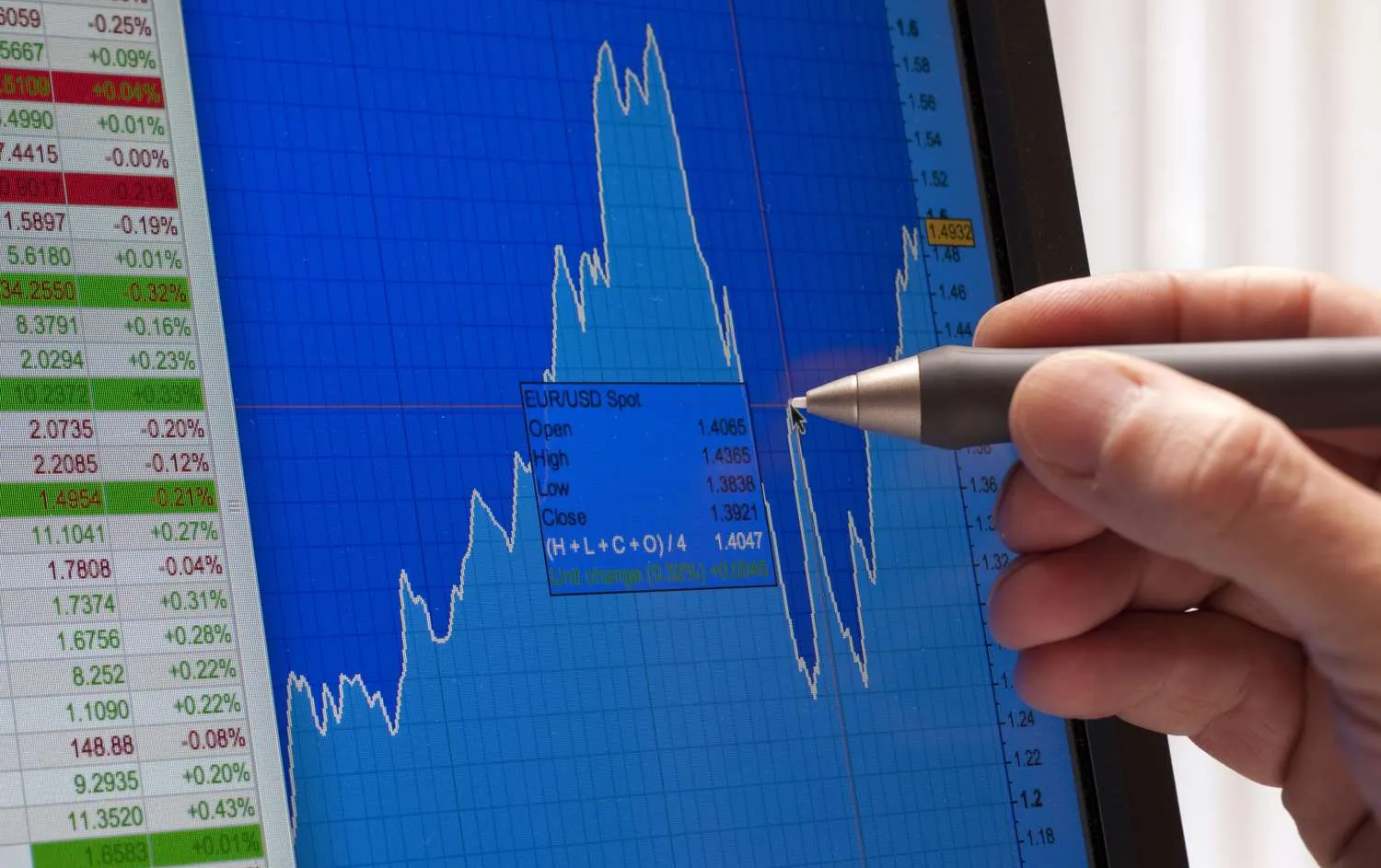
A country may export billions of dollars worth of goods while importing even more from overseas suppliers. These transactions influence domestic businesses, international payments, and demand for foreign currencies. Individuals exploring forex trading platforms can benefit from understanding trade balance reports before interpreting exchange rate movements through technical charts alone.
Trade balance figures reveal the difference between a country’s exports and imports during a particular period. Although these reports provide useful economic information, they do not determine currency direction independently. Understanding the factors behind trade deficits and surpluses helps traders develop a more complete perspective on international financial markets.
Understand What Trade Balances Measure
A trade balance compares the value of goods and services exported with those imported. A trade surplus occurs when exports exceed imports, while a deficit develops when imports are greater than exports.
Neither outcome automatically indicates economic success or failure. A growing economy may import additional machinery to support productive investment. Similarly, a surplus may reflect strong overseas demand or weak domestic consumption. Context is necessary before drawing conclusions.
Examine Import And Export Activity
Exports can generate foreign-currency earnings for domestic businesses, while imports often require payments to overseas suppliers. These transactions create currency conversion needs that contribute to activity within foreign exchange markets.
An economic calendar can help traders identify scheduled trade balance announcements and compare reported figures with expectations. However, calendar information cannot predict subsequent exchange rate movements. International capital flows and monetary policy expectations may outweigh the immediate effects of trade data.
Recognize Why Trade Deficits Develop
Trade deficits occur for several reasons, including strong consumer demand, dependence on imported energy, and purchases of foreign machinery. A deficit may also reflect the country’s position within global production networks.
For example, manufacturers sometimes import components before assembling products for export. These imports support domestic employment and production rather than simply representing lost economic activity. Traders should investigate the composition of imports before interpreting a larger deficit as negative.
Consider The Importance Of Exports
Export performance can reveal how competitive domestic businesses are in international markets. Strong overseas demand may support manufacturing activity, employment, and business investment.
However, export growth measured in money terms can result from higher prices rather than increased sales volumes. Currency movements also influence reported values. Comparing export quantities, product categories, and destination markets provides greater insight than relying exclusively on headline growth.
Understand Currency Valuation Effects
Exchange rates influence the relative prices of goods traded internationally. A weaker domestic currency can make certain exports cheaper for overseas buyers while increasing the cost of imported products.
These adjustments may develop gradually because businesses operate under contracts and established supply arrangements. Demand may also respond differently across products. Currency depreciation therefore does not guarantee an immediate improvement in a country’s trade balance.
Explore Trade Balances And Investment
International trade represents only one part of a country’s external financial relationships. Foreign investment, portfolio transactions, and other capital flows can influence currency demand independently of merchandise trade.
A country running a trade deficit may still attract substantial foreign investment. Conversely, a trade surplus does not guarantee currency appreciation. Traders should examine broader financial flows rather than assume that trade figures alone explain exchange rate movements.
Identify The Influence Of Energy Prices
Countries importing substantial quantities of oil or natural gas may experience changes in their trade balances when global energy prices fluctuate. Higher import costs can increase the monetary value of purchases without any corresponding increase in consumption.
Energy-exporting countries may experience different effects. Rising commodity prices can support export revenue, although production levels and domestic economic conditions remain important. Understanding these differences helps explain contrasting trade balance developments across countries.
Compare Reports With Market Expectations
Financial markets often respond to how economic figures compare with existing forecasts. A narrowing trade deficit may have limited influence when investors anticipated an even greater improvement.
Traders should also review previous reports and revisions to understand whether changes represent a developing trend. Unexpected figures can create short-term volatility, but their longer-term significance depends on economic conditions. One report rarely provides sufficient evidence for a trading decision.
Conclusion
Trade balance reports offer valuable insight into international commerce, currency demand, and economic competitiveness. Understanding imports, exports, energy costs, and capital flows helps traders interpret exchange rate developments without relying on simplistic assumptions.
Educational resources and trading information available through tradewill.com may support further currency market research. Nevertheless, trade statistics cannot guarantee profitable transactions or reliably predict future exchange rates. Independent analysis, appropriate position sizing, and realistic expectations remain essential when evaluating foreign exchange opportunities.