

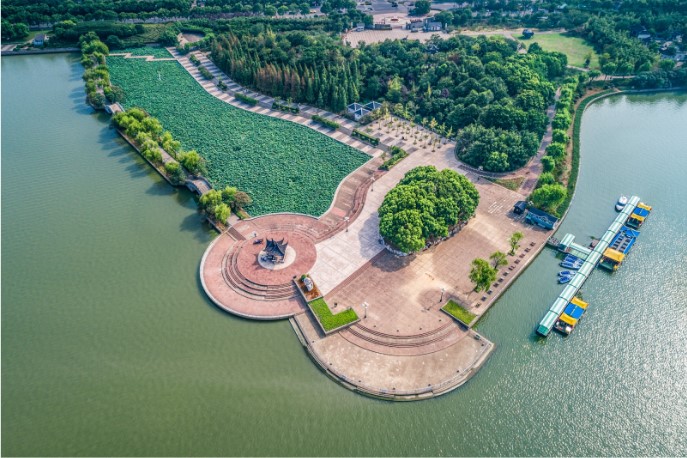
Waterfront installations, including docks, platforms, and marine structures. This provides property owners with both increased value and operational capabilities. The project requires exceptional quality standards to meet the needs of residential, commercial, and recreational development.
Inadequate planning, together with substandard execution, creates safety hazards. This led to ongoing maintenance requirements and increased costs throughout the project. The waterfront installation project requires careful consideration before implementation begins.
1. Planning and Site Conditions
The success of waterfront installation work depends on effective planning as its fundamental requirement. Every waterfront location is different, so it is important to understand the site conditions first. The structure’s design depends on three main factors: water depth, wave movement, and tidal patterns, as well as weather conditions and soil composition. Every detail must be considered, as any missing element will lead to future structural problems.
The installation needs assessment should also consider its operational requirements. The facility will support boat operations, pedestrian movement, and the transport of heavy machinery.
Through effective planning, engineers can develop structures which achieve safety standards while maintaining operational efficiency throughout their lifespan. The project base will benefit from using trained professionals during planning, who will prevent costly mistakes that arise in later stages.
2. Importance of Professional Welding Services
The structural integrity of a waterfront facility depends on welding services, which create strong connections between joints and other components. Professional welding services create strong structural connections.
Welding provides a reliable method for joining metal components, enabling them to withstand severe marine environmental conditions. Welding quality determines the building’s strength, which can lead to structural cracks, rust, or complete structural collapse.
Welders with expertise use appropriate methods and materials to enhance both safety and material strength. Using high-quality welding techniques reduces repair needs, saving time and extending equipment lifespan.
3. Choosing the Right Floating Dock Builder
Choosing a floating dock builder is essential when your project requires a dock. A qualified builder understands marine engineering, local regulations, and material selection. Floating docks need designers who can create stable designs which withstand changing water levels.
An experienced dock builder will assess your needs and recommend the best layout and materials for your location. Their main focus will be on developing safety features, which include non-slip surfaces and secure anchoring systems.
A reliable builder will create a dock that works well, looks good, and meets all performance requirements throughout its lifespan.
4. Material Quality and Durability
Waterfront installations require materials that can resist water damage, corrosion, and wear. The initial appearance of poor-quality materials may seem acceptable, but they will quickly fail when used in marine environments. Using treated wood, marine-grade metals, and composite decking materials will result in a structure that lasts longer.
The process requires us to assess the operational needs which affect our system. The initial investment in high-quality materials results in higher upfront costs. But it reduces maintenance needs and provides better long-term value. When choosing materials, you should consider both their cost and durability.
5. Safety, Maintenance, and Long-Term Value
The top priority should always focus on safety. The construction of strong railings and stable surfaces, together with proper load capacity, creates essential elements which help prevent accidents. Regular inspections and maintenance help detect minor problems before they develop into major issues.
The construction of a waterfront installation creates a safe environment that enhances property value through its permanence. The structure will remain reliable over time due to the combination of high-quality workmanship and effective planning.